
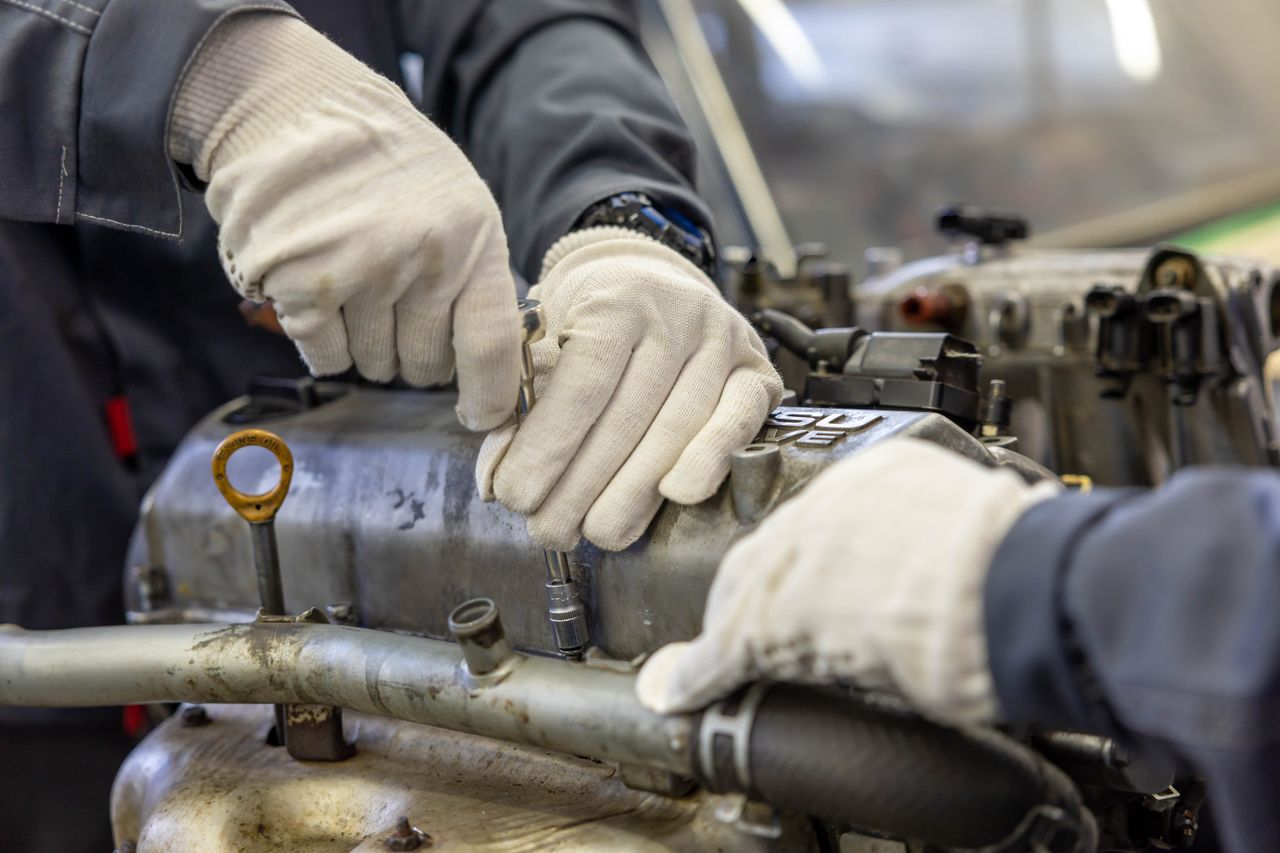
It’s easy to assume Britain doesn’t make things any more. The mills are museums, the shipyards are mostly gone, and “Made in China” is stamped on half the things in your house. But that story is only half true. Away from the headlines, UK engineering is still one of the country’s real strengths — it’s just become smaller, cleverer, and more specialised.
Manufacturing didn’t die — it moved upmarket
Britain no longer competes to make cheap, high-volume goods, and it stopped trying decades ago. What it does instead is high-value, precision manufacturing: aerospace components, Formula 1 and motorsport engineering, specialist medical devices, advanced materials, and the kind of bespoke, low-volume work that needs skill rather than scale.
Manufacturing still accounts for a significant chunk of the UK economy and a huge share of its exports. The country remains a serious player in aerospace — a lot of the world’s aircraft wings and jet engine parts are engineered and built here. Motorsport, clustered along the so-called “Motorsport Valley” through the Midlands and South, is a British specialism the rest of the world quietly relies on.
Engineering happens everywhere
The other myth is that engineering only happens in a few famous industrial cities. In reality it’s spread across the country in thousands of small and medium-sized firms — the machine shops, fabricators, toolmakers, and design consultancies dotted through market towns and business parks. These are the businesses that make the components other companies depend on, often without any public profile at all.
Drive through the outskirts of almost any English town — the Home Counties and the East of England included — and you’ll pass unassuming units housing firms doing precise, demanding work: bearing suppliers, sheet-metal fabricators, precision machinists, control-systems specialists. They rarely make the news, but collectively they’re the backbone of British engineering.
The skills question
The biggest threat to UK engineering isn’t foreign competition — it’s people. As experienced engineers retire, there aren’t always enough trained people coming up behind them. That skills gap is exactly why apprenticeships and technical training have had such a push in recent years, and why practical, hands-on engineers are in genuine demand.
For anyone weighing up a career, that’s worth knowing: British engineering isn’t a sunset industry, it’s a sector actively short of talent.
Something worth being proud of
Britain’s engineering strength today is quieter than it was in the age of steam and steel, but it’s real. It lives in precision, specialism, and a deep base of small firms doing skilled work well. It doesn’t shout — but the next time you fly, watch a Grand Prix, or drive a car, there’s a decent chance a piece of British engineering made it possible.