
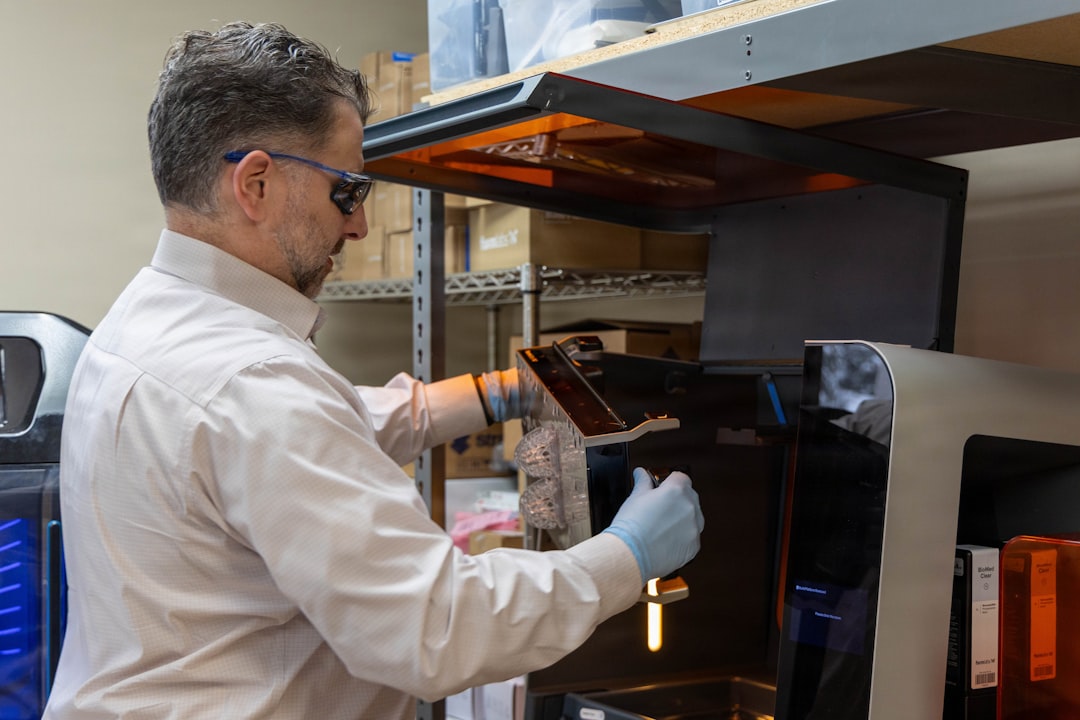
Ask most people how you become an engineer and they’ll say “go to university and do a three-year degree.” That’s one route — but it’s far from the only one, and for a lot of people it isn’t the best one. Engineering is a broad field that runs from hands-on fabrication to high-level design, and there’s a way in to suit almost every kind of learner. Here are five of them.
1. Degree apprenticeships
The rise of the degree apprenticeship has quietly changed engineering careers. You work for an employer, earn a wage, and study part-time towards a full degree — with your tuition paid by the company and the government rather than a student loan. You come out the other side with the same qualification as a university graduate, several years of real workplace experience, and no debt. Competition for places is stiff, but if you can land one it’s arguably the strongest start available.
2. Higher and advanced apprenticeships
Not ready to commit to a degree? Advanced (Level 3) and higher (Level 4/5) apprenticeships get you into a workshop or design office faster. You’ll pick up a recognised qualification like a BTEC or HNC alongside on-the-job training. Plenty of chartered engineers today started exactly here, then topped up their qualifications later while working.
3. College first, then decide
A BTEC National or T Level in engineering at college gives you a proper grounding in the theory and workshop skills before you commit to a career path. It keeps your options open: you can move on to an apprenticeship, a university degree, or straight into a technician role. For 16-year-olds who like engineering but aren’t sure which corner of it they want, it’s a sensible hedge.
4. Start as a technician and grow
You don’t have to arrive fully formed. Many people get a foot in the door as a trainee machinist, fitter, or maintenance technician and learn the trade on the shop floor. Good employers will support you through part-time study, and hands-on experience is worth a great deal in engineering — sometimes more than a certificate. Progression from the tools into supervision, quality, or design is a well-worn path.
5. Retrain later in life
Engineering isn’t only for school leavers. Adult apprenticeships, part-time HNCs, and evening courses mean it’s entirely possible to switch into engineering from another career in your 30s, 40s, or beyond. Employers facing a skills shortage are increasingly open to career-changers who bring maturity and transferable skills.
Which route is right for you?
It comes down to how you learn and what you can commit to:
- Want to earn while you learn and hate the idea of debt? Look hard at degree and higher apprenticeships.
- Learn best by doing? A technician role or advanced apprenticeship gets your hands dirty fastest.
- Not sure what you want yet? College keeps every door open.
Whatever the route, the demand is real — the UK has a persistent engineering skills gap, which means well-trained, practical people are wanted across manufacturing, construction, energy, and design. There’s never been a bad time to learn how things are made.