Most of us barely notice the hardware in front of us until it fails. Ticket machines, entry systems, self-service kiosks and factory terminals have to keep working through rain, dust, greasy fingers and the occasional burst of public frustration. In those settings, sleek consumer design means very little. What matters is whether the machine still responds on a cold Tuesday morning after a thousand presses and a splash of coffee.
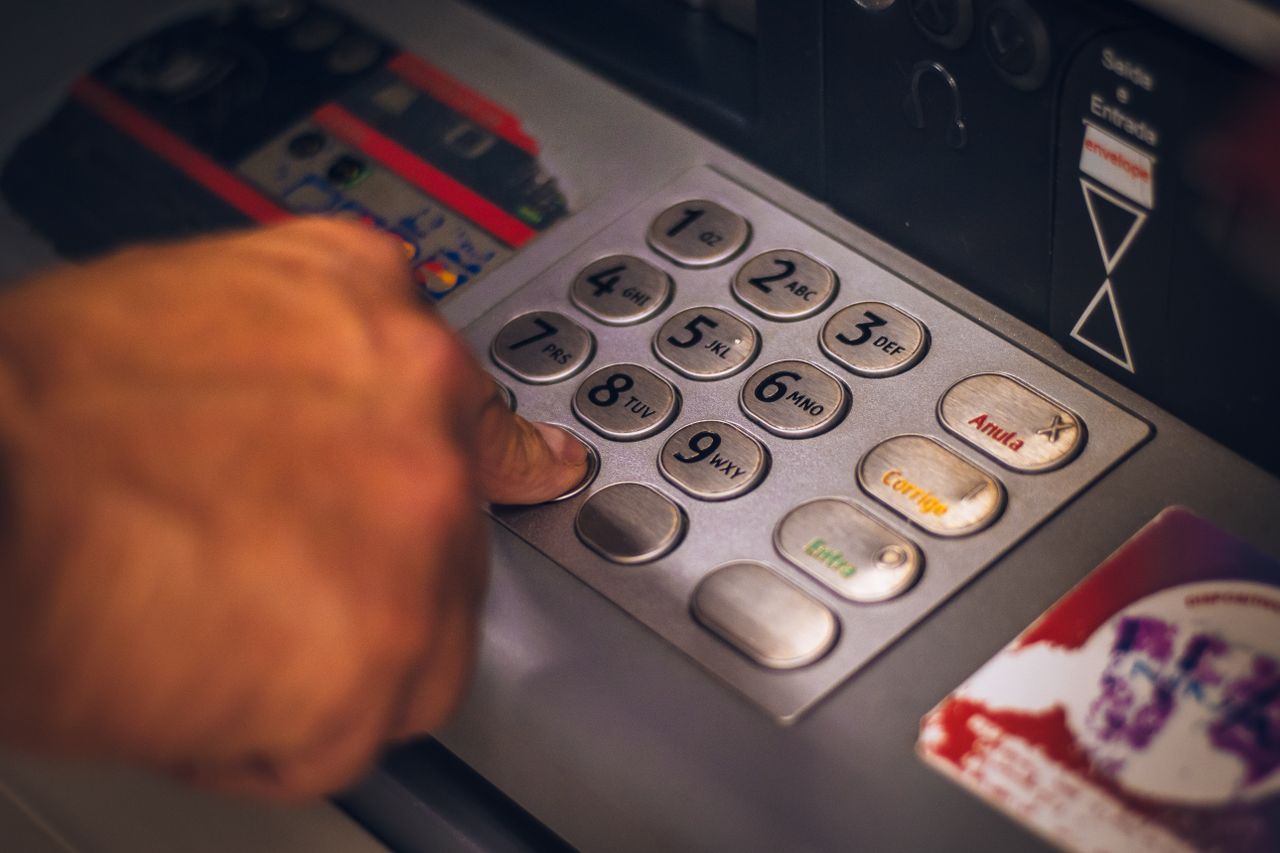
Not every keyboard is made for an office desk. Public-facing equipment has a harder life, and the humble keypad or full keyboard is often the weakest point. Plastic keys can crack, lettering rubs away, and small gaps soon fill with grime. That is why designers of industrial and shared-use machines sometimes turn to a stainless steel keyboard instead. It is less about style and more about resilience, a surface that can be cleaned thoroughly, stands up to weather, and copes with repeated use without looking battered after six months.
Designed for the real world
There is something quietly reassuring about robust hardware in public spaces. People may not know what materials are involved, but they recognise when equipment feels solid and dependable. A wobbly key or faded button suggests neglect. A well-built interface suggests that someone expected heavy use and planned for it.
- Better resistance to wear in high-traffic areas
- Easier cleaning where hygiene matters
- More dependable performance in exposed environments
That does not make metal input devices glamorous, and perhaps that is the point. Good infrastructure rarely draws attention to itself. It just keeps going, long after flimsier alternatives have given up.
Photo Eduardo Suarez via Pexels.